Who Is Liable for a Slip on an Icy Sidewalk in Connecticut? Homeowners, Landlords, and Section 7-163a
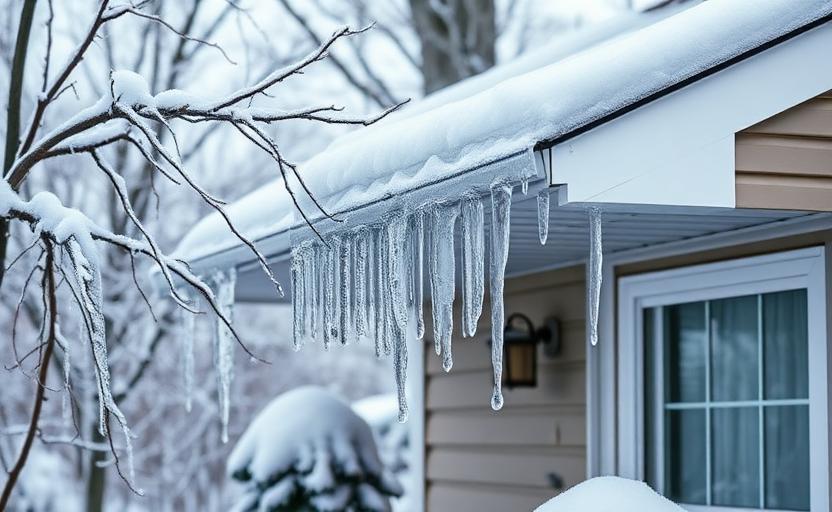
In many Connecticut towns, the homeowner or business next to a public sidewalk, not the town, is liable when someone slips on snow or ice. How Section 7-163a works and how your insurance responds.
Short answer: In Connecticut towns that have adopted an ordinance under General Statutes section 7-163a, the owner or occupant of property next to a public sidewalk takes on the duty to clear snow and ice and can be held liable if someone is hurt. The town is generally shielded. Claims must be brought within two years. For homeowners the personal liability section of the homeowners policy usually responds; landlords and businesses need their own liability coverage.
What Section 7-163a does
Connecticut law lets each municipality adopt an ordinance shifting responsibility for snow and ice on public sidewalks from the town to the abutting landowner or occupant. Once adopted, the town is generally not liable for injuries caused by snow or ice on those sidewalks, except where the town owns the abutting land or caused the hazard itself. The property owner or occupant then has the same duty of care the town used to have, and can be sued if a failure to clear a sidewalk causes an injury. Many towns, including Hamden, Norwich, Rocky Hill and Beacon Falls, have adopted ordinances of this kind, often with their own clearing deadlines and fines. Check your own town's code for the timing rule after snowfall ends.
Does homeowners insurance cover a slip-and-fall on my sidewalk?
Generally yes. The personal liability coverage in a homeowners policy pays for injuries to others for which you are legally responsible, plus your legal defense, up to your liability limit. Many Connecticut policies carry $300,000 or $500,000. A serious fall, such as a broken hip for an older pedestrian, can approach those figures once medical bills, lost income and pain and suffering are added. A personal umbrella extends the protection.
Medical payments to others, usually $1,000 to $5,000, can pay small injury bills without a lawsuit regardless of fault, which often resolves minor incidents.
Landlords, condo associations and businesses
- Landlords: a homeowners policy usually does not cover a rental property you do not live in. You need a landlord or dwelling fire policy with premises liability. Leases that make tenants responsible for clearing do not necessarily remove the owner's exposure. See landlord insurance in Connecticut.
- Two-to-four family owner-occupants: your homeowners policy may cover the building, but confirm the liability extends to the rented units and common sidewalks.
- Condo associations: the master policy covers common-area sidewalks. Unit owners should still carry HO-6 liability.
- Businesses: the general liability in your BOP or CGL covers premises claims. If you hire a snow contractor, require a certificate of insurance naming you as an additional insured and a written hold-harmless agreement. See insurance for snow plowing contractors.
How to reduce the risk
- Clear the full width of the sidewalk and treat it with salt or sand, then recheck after refreezing.
- Keep a simple log with dates and times of clearing, and photos after big storms.
- If you travel in winter, arrange for someone to clear in your absence.
- Fix downspouts that discharge across walkways; refreezing meltwater causes many falls.
Connecticut Home Insurance Basics
Read our guide to coverage for your Connecticut property.
Read the Guide →New England Insurance, an independent Connecticut agency in Bridgeport since 2012, can confirm your liability limits and whether you need an umbrella. Request a review.
Ready to Secure Your Coverage?
Get personalized insurance recommendations from our expert agents. Schedule your consultation today.
📅 Schedule a ConsultationGeneral information, not legal advice. Ordinances vary by town.
Start Your Coverage Review
Share your risk picture and a licensed advisor will design coverage tailored to your specific needs.