Builder's Risk Insurance for a Custom Home in Connecticut: What the Owner Needs Before the Teardown
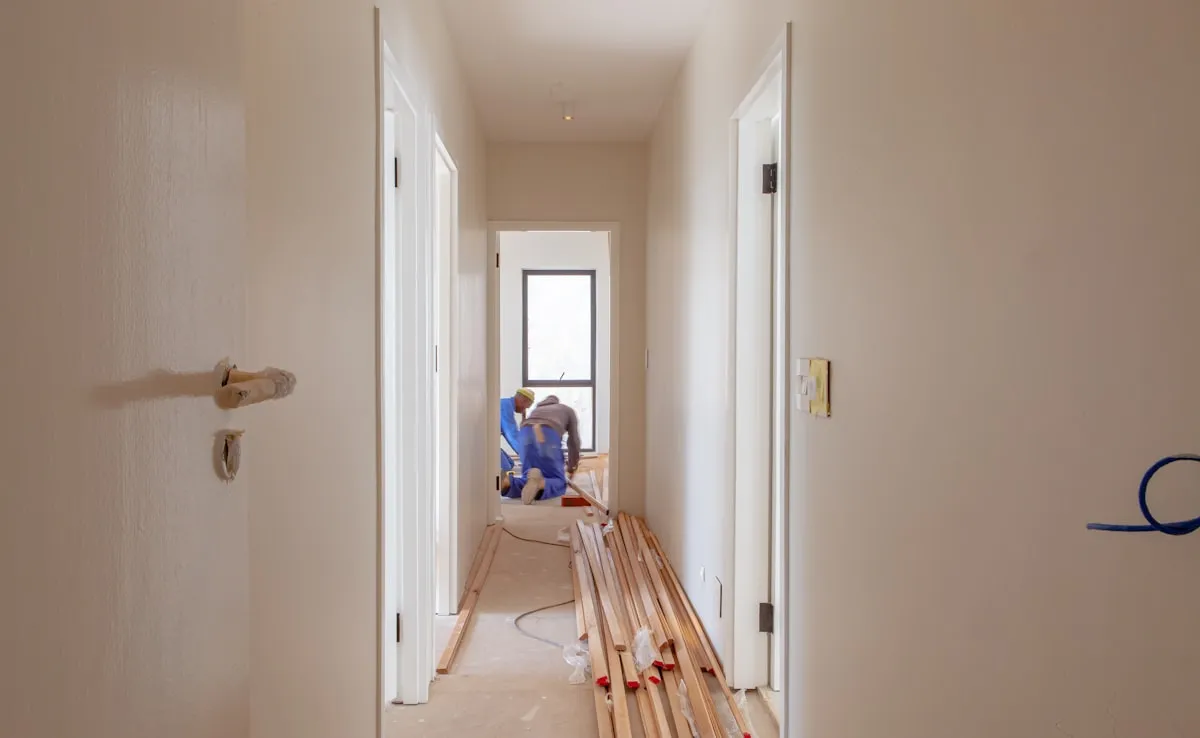
When you tear down and build in Greenwich, Westport or on the shoreline, your homeowners policy stops fitting. How builder's risk works, who should buy it, and the gaps owners miss.
Short answer: A homeowners policy does not cover a house under construction. During a teardown and new build, the project needs a builder's risk (course of construction) policy covering the structure, materials on site and in transit, and soft costs, plus the owner's own liability coverage while the site is not a residence. Owners of high-value Connecticut builds usually do better buying builder's risk themselves, through a private-client carrier that can convert it to a homeowners policy at completion, rather than relying on the builder's policy.
Why the homeowners policy stops working
Homeowners policies insure a completed, occupied dwelling. Once a house is demolished or gutted, there is no covered dwelling, and vacancy and construction exclusions apply. Even on a major renovation of an existing house, insurers need to be told, and may require a different form. See home renovations and your Connecticut policy for the renovation case.
What builder's risk should cover
- The structure as it is built, at full completed value, including owner-supplied materials and finishes.
- Materials stored off-site and in transit, such as millwork, stone and custom windows that may sit in a warehouse for months.
- Theft and vandalism, including copper and appliances.
- Soft costs: extra interest on construction loans, architect and permit fees, and rent for temporary housing if a loss delays completion.
- Testing and commissioning of mechanical systems, which some forms exclude.
- Flood and named storm for shoreline builds, often a separate negotiation; the NFIP has limited coverage for buildings under construction.
Owner-purchased versus contractor-purchased
Contractors often carry builder's risk on a blanket program with deductibles, limits and exclusions designed for their business, not your house. An owner-controlled policy lets you set the limit to the true completed value, control the claim, and, with some private-client carriers, roll the policy into a high-value homeowners policy at completion without a coverage gap. Either way, the construction contract should say who buys it, who is named, and who pays the deductible.
Liability and the people on site
- Your general contractor should carry general liability, workers' compensation and an umbrella, and name you as an additional insured. Connecticut's principal-employer rules can expose owners and contractors to uninsured subcontractors' injuries; see uninsured subs and the premium audit.
- You need owner's liability on the site itself, especially if it is vacant land during construction. Tell your umbrella carrier about the project.
- Neighbors' property: excavation and blasting near adjacent homes in dense areas like Westport or Greenwich can generate claims. Confirm the contractor's policy does not exclude subsidence.
Before you sign the construction contract
- Agree who buys builder's risk and at what completed value.
- Collect certificates and endorsements from the GC and major subs.
- Plan the conversion date to a homeowners policy, and the alarm, water shutoff and temperature monitoring the new home will need.
New England Insurance, an independent Connecticut agency in Bridgeport since 2012, places owner-controlled builder's risk for custom homes and coordinates the move to high-value homeowners coverage at completion. Request a review before demolition.
Start Your Coverage Review
Share your risk picture and a licensed advisor will design coverage tailored to your specific needs.