Home Insurance Basics: Protecting Your Connecticut Property
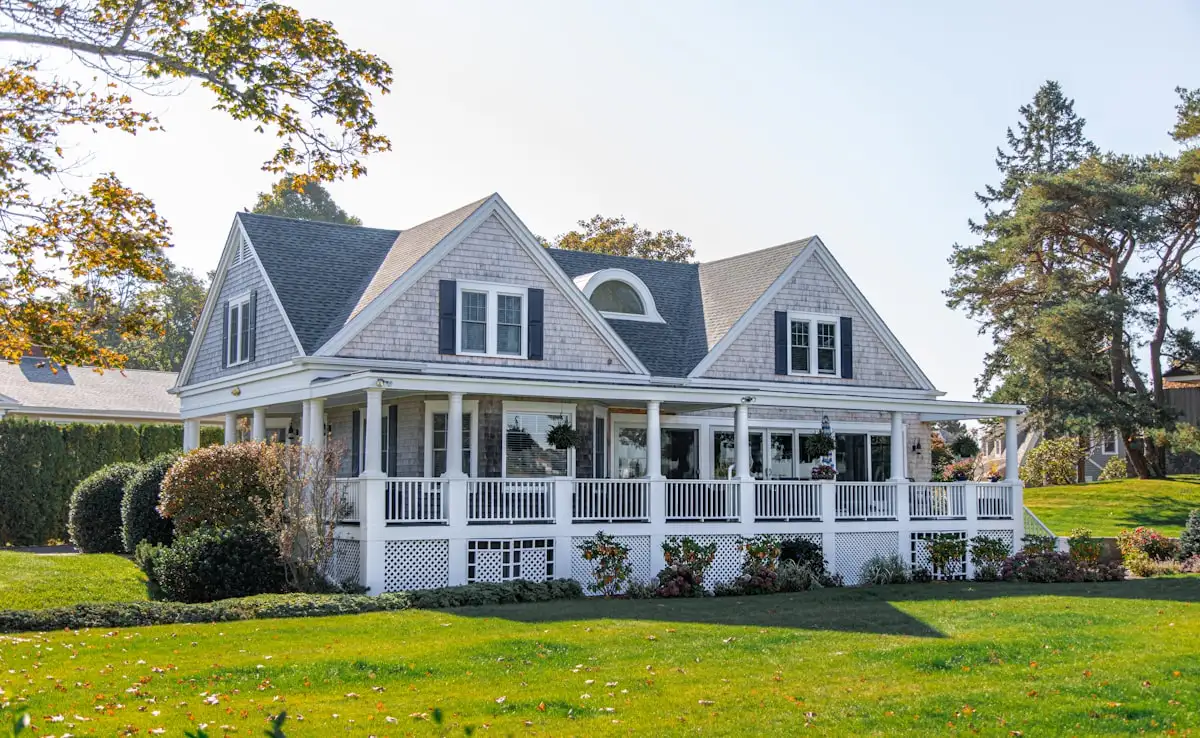
Learn the fundamentals of Connecticut homeowners insurance, from basic coverage to additional protections you might need.
Connecticut Homeowners Insurance Fundamentals
Your home is likely your largest investment. Understanding homeowners insurance in Connecticut ensures you have adequate protection for your property and belongings. Two policies can look identical on a summary page and behave very differently after a kitchen fire, a burst pipe, or a nor'easter that strips a roof.
Standard Connecticut Homeowners Coverage
- Dwelling Coverage: Structure of your home
- Personal Property: Your belongings inside the home
- Liability Protection: Injuries to others on your property
- Additional Living Expenses: Temporary housing costs
Explore comprehensive Connecticut homeowners insurance options.
How the Coverage Letters Work
- Coverage A, Dwelling: The house and attached structures, including built-in cabinetry, plumbing, wiring, and permanent fixtures. This is the anchor limit; several others are a percentage of it.
- Coverage B, Other Structures: Detached garage, pool house, barn, fences, walls. The default percentage suits a shed and falls short for a detached carriage house.
- Coverage C, Personal Property: Contents, also usually a percentage of Coverage A rather than an actual inventory.
- Coverage D, Loss of Use: Additional living expense while the home is uninhabitable. It pays the increase in your cost of living, not your entire cost of living.
- Coverage E, Personal Liability: Defense and damages when you or a family member are legally responsible for injury or property damage, at home or away.
- Coverage F, Medical Payments: A small no-fault limit for a guest's medical bills, meant to settle minor incidents before they become liability claims.
If Coverage A is wrong, the derived limits for other structures, contents, and loss of use are wrong with it.
Replacement Cost Versus Actual Cash Value
Replacement cost pays what it takes to rebuild or repair with like kind and quality at today's prices. Actual cash value pays that figure minus depreciation for age and wear. On a twenty-year-old roof, the gap is substantial.
Check two things. A policy can be replacement cost on the dwelling and actual cash value on contents, or the reverse. And many carriers attach roof-surfacing endorsements that convert the roof alone to actual cash value or apply a depreciation schedule based on roof age, even while the declarations page still says replacement cost at the top. Ask how roof surfacing is valued, and confirm whether the depreciation holdback on contents is released only after you actually replace the item, which is the common arrangement.
Why the Dwelling Limit Is a Rebuild Cost, Not a Market Value
The dwelling limit answers a different question than an appraisal does: what would it cost to rebuild this structure, on this lot, to current standards, at today's labor and material prices? Market value includes land, location, and buyer demand, none of which burn. Where an older home has detail that is expensive to reproduce, rebuild cost is often the higher number. It tracks the construction market rather than the real estate market, so a limit that was accurate three renewals ago can be materially short today. Inflation guard endorsements adjust by a general factor, making them a floor rather than a substitute for review.
Extended and Guaranteed Replacement Cost
Because no estimate is exact, better policies add a cushion above Coverage A. Extended replacement cost adds a stated percentage above the dwelling limit if the rebuild exceeds it, which protects against the demand surge in construction pricing that follows a regional catastrophe. Guaranteed replacement cost, where offered, commits to the full rebuild without a stated cap. Both generally require insuring to the carrier's estimated rebuild figure.
Ordinance or Law Coverage on Older Connecticut Homes
A standard policy pays to repair what was damaged. It does not necessarily pay to bring undamaged portions up to present code, or to demolish an undamaged section the town will not let you leave standing. Ordinance or law coverage addresses that gap, and Connecticut has a great deal of housing built long before current codes. Older wiring, undersized service, egress requirements, and abatement work can add substantially to a rebuild after a serious fire. Most policies include a small default amount you can increase.
Connecticut-Specific Considerations
- Coastal Areas: Wind and hail coverage importance
- Older Homes: Replacement cost vs. actual cash value
- Historic Properties: Specialized coverage needs
- Flood Zones: Separate flood insurance requirements
The Sublimits That Surprise People
Coverage C carries special limits on categories that are easy to steal and hard to verify. These are caps, not exclusions, and they sit well below your overall contents limit. Amounts vary by carrier and edition, so read your own declarations rather than relying on a general figure.
- Jewelry, watches, and furs: Commonly capped at a low amount for theft. A single ring can exceed the entire category limit.
- Silverware and flatware: Usually a separate theft sublimit.
- Firearms: Typically their own theft sublimit.
- Cash and precious metals: Limited to a small amount regardless of cause of loss.
- Business property kept at the residence: Commonly capped, and lower still away from the home, which is a routine gap for anyone working from a home office.
Scheduling is the remedy. A scheduled personal property endorsement insures specific items for agreed amounts, usually with broader causes of loss and often without a deductible.
Water Damage, Sewer Backup, and Flood Are Three Different Things
- Sudden and accidental water from inside the home, such as a burst supply line or failed water heater, is generally covered. Gradual seepage and deferred maintenance are not, because the policy insures fortuitous events rather than wear.
- Water and sewage backing up through drains, sewers, or a failed sump pump is commonly excluded from the base form and added back by endorsement with its own sublimit. With a finished basement, that default sublimit is often lower than a realistic loss.
- Flood, meaning surface and rising water from outside, is excluded and requires separate coverage. The need is not limited to mapped high-risk zones; drainage and heavy rainfall cause losses well outside the flood maps.
Considering flood protection? Learn about Connecticut flood insurance.
Liability Limits and When to Add an Umbrella
Coverage E is often left wherever it was set years ago, which rarely matches the exposure. Personal liability follows you rather than the house: a dog bite, a teenage driver, a guest injured at a party, an accident at a second home. Defense costs are typically paid in addition to the limit, but the limit is what stands between a judgment and your assets. An umbrella sits above both homeowners and auto liability, generally requiring specified underlying limits first. The threshold question is not income but what is exposed: property equity, investment accounts, business interests, and future earnings.
Need additional liability protection? Explore personal umbrella insurance.
Deductible Strategy and Percentage Windstorm Deductibles
A deductible is a financing decision. The question is how much of a loss you would absorb without disruption, and whether the premium difference between levels justifies the retained risk. Raising a flat deductible is often the most rational way to reduce premium, since it trades away coverage for small losses you would arguably not report anyway.
Ready to Secure Your Coverage?
Get personalized insurance recommendations from our expert agents. Schedule your consultation today.
📅 Schedule a ConsultationNear the shoreline, a second deductible works differently. Many policies apply a separate windstorm or named-storm deductible expressed as a percentage of the dwelling limit rather than a flat dollar amount, so the exposure scales with the value of the home and can far exceed the all-other-perils deductible. Some apply to any windstorm, others only to a named storm. Know which applies, what it equals in dollars, and whether a buy-down is available.
Additional Coverage to Consider
- Flood Insurance: Not covered by standard policies
- Earthquake Coverage: Available as an endorsement
- Umbrella Policy: Extra liability protection
- Valuable Items: Jewelry, art, collections
What to Document Before a Loss
- A visual inventory: Walk every room, closet, the attic, basement, and garage on video, narrating as you go and opening drawers and cabinets.
- Receipts and appraisals for higher-value items, refreshed periodically so scheduled values keep pace.
- Photographs of the structure: Roof, siding, mechanicals, millwork, and any custom or historic detail an estimator could overlook.
- Records of improvements: Permits and contractor invoices, since renovations raise rebuild cost and belong in Coverage A.
- The full policy, not just the declarations page, plus the claim phone number.
Keep all of it off-site or in cloud storage. An inventory that burns with the house is no inventory at all.
Ready to review your Connecticut home coverage? Talk with our Bridgeport team about how your current policy is structured.
Start Your Coverage Review
Share your risk picture and a licensed advisor will design coverage tailored to your specific needs.