Insuring a Connecticut Home During Probate or While It Sits Vacant
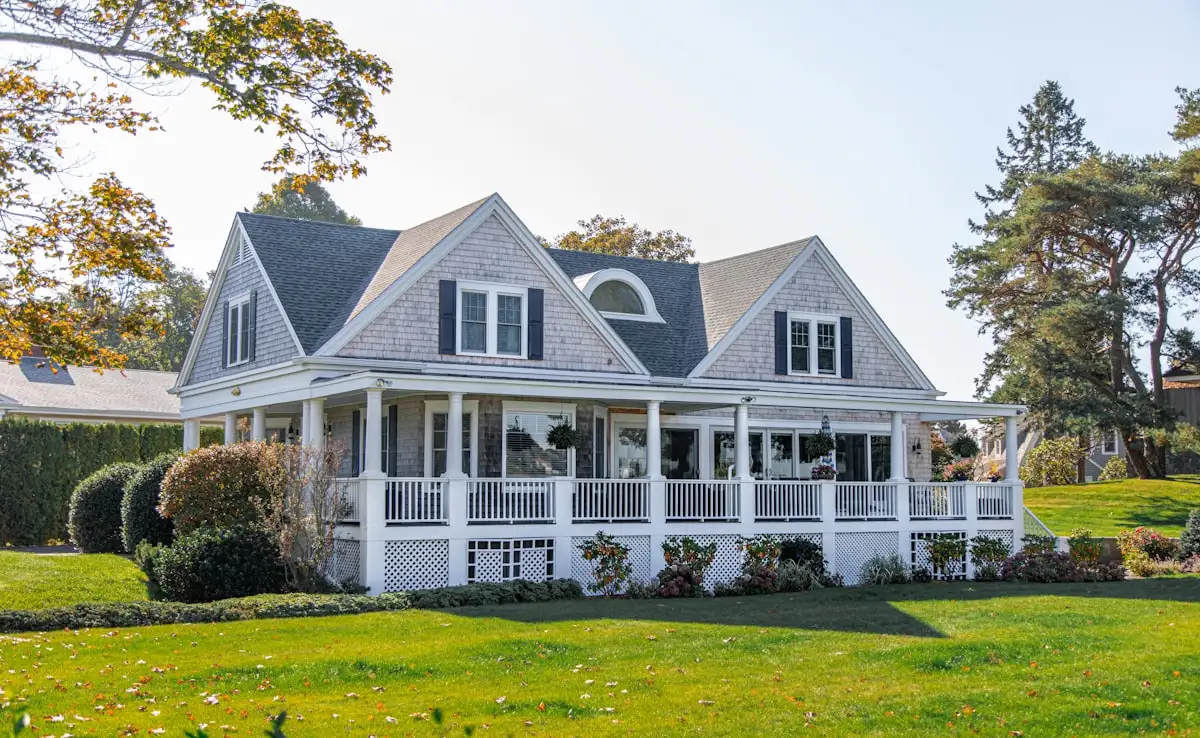
When a parent dies or a home sits empty for a sale, the existing homeowners policy can quietly stop protecting it. What executors and families in Connecticut should do in the first 30 days.
Short answer: Notify the homeowners insurer promptly after the owner's death or once a house becomes unoccupied. Many policies restrict coverage for vandalism, glass breakage, water damage and theft once a home has been vacant beyond a set period, commonly 30 to 60 days, and probate in Connecticut often takes longer than that. The executor usually needs the policy endorsed to name the estate, a vacancy permit or endorsement, or a separate vacant-dwelling policy, plus winterization and regular inspections.
Why the existing policy may not respond
- Named insured: the policy names the person who died. Insurers generally continue coverage for the legal representative for a period, but the estate should be formally added.
- Vacancy and unoccupancy clauses: after a set number of consecutive days, coverage for vandalism, malicious mischief, glass breakage and some water and theft losses is commonly suspended or reduced.
- Frozen pipes: policies often exclude freezing damage in an unheated or unoccupied home unless heat was maintained or the water was shut off and lines drained.
The executor's first 30 days
- Call the insurer and agent; give the date of death and name the executor or administrator.
- Ask in writing how long current coverage continues and what the vacancy rules are.
- Secure the property: change locks, set alarms, and remove valuables, firearms and important papers.
- Maintain heat at a safe temperature and consider shutting the water main, or have the home professionally winterized for a Connecticut winter.
- Arrange documented inspections, weekly if possible; some vacant-dwelling policies require them.
- Keep liability coverage in force. Someone injured on the property can still bring a claim.
- Inventory and photograph contents before anything is removed or distributed.
Options for longer vacancy
- Vacancy permit or endorsement on the existing homeowners policy, where the carrier offers one.
- Vacant or unoccupied dwelling policy, often named-peril, for an extended estate or a house listed for sale.
- Renovation before sale changes the risk again; tell the insurer before work begins.
The same issues apply to a house left empty while the owner moves to assisted living, or a home that stays unsold after a move. See vacant home insurance. Selling the home brings its own disclosure duties; see the 2026 flood disclosure rules.
Connecticut Home Insurance Basics
Read our guide to coverage for your Connecticut property.
Read the Guide →New England Insurance, an independent Connecticut agency in Bridgeport since 2012, helps executors keep estate property insured through probate and sale. Contact us.
Ready to Secure Your Coverage?
Get personalized insurance recommendations from our expert agents. Schedule your consultation today.
📅 Schedule a ConsultationExecutors should also consult a Connecticut probate attorney about their duties.
Start Your Coverage Review
Share your risk picture and a licensed advisor will design coverage tailored to your specific needs.