Liquor Liability Insurance and Connecticut's Dram Shop Act: What Bars, Restaurants, and Event Hosts Need
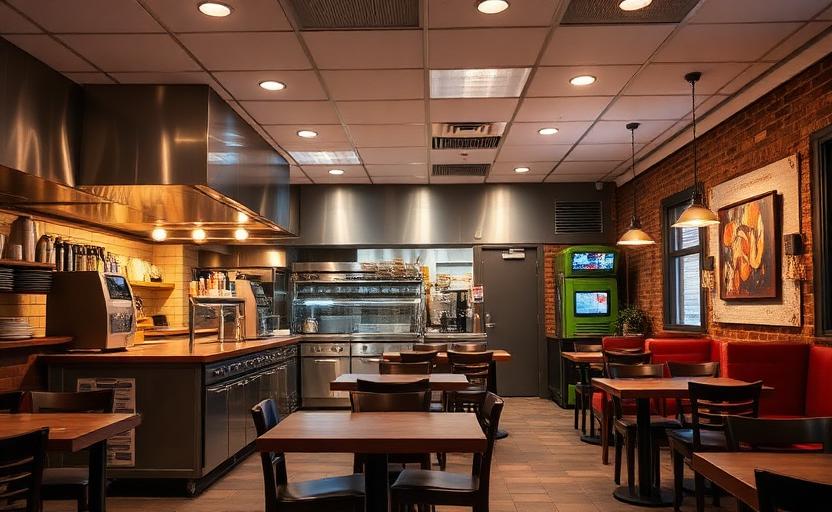
Under Connecticut's Dram Shop Act a seller can owe up to $250,000 when an intoxicated patron injures someone. How the statute works, why general liability excludes it, and what liquor liability covers.
Short answer: Connecticut's Dram Shop Act (General Statutes section 30-102) makes a business that sells alcohol to an intoxicated person liable for injuries that person causes, with damages capped at $250,000 per injured person and $250,000 in aggregate when several people are injured. The injured party must give written notice within 120 days (180 days if the person has died or is incapacitated). General liability policies exclude this exposure for businesses that sell or serve alcohol, so you need liquor liability coverage.
How the Dram Shop Act works
- Who is liable: a seller, such as a bar, restaurant, package store, caterer or brewery taproom, that sells alcohol to an intoxicated person who then injures someone or damages property.
- Strict liability: Connecticut courts have treated the Act as imposing liability without proof of negligence, provided the person was intoxicated when served.
- Damages: capped at $250,000 per injured person and $250,000 aggregate for multiple injured people. Those caps do not limit defense costs or separate claims.
- Notice and timing: written notice to the seller within 120 days of the injury (180 days in cases of death or incapacity), and the action itself must be brought within the statutory period, generally one year.
- No negligence claim for adults: the statute bars a separate negligence claim against a seller for sales to people 21 or older, but serving minors carries separate exposure under Connecticut law and case law.
Why your general liability policy will not respond
Standard commercial general liability forms contain a liquor liability exclusion for any insured "in the business of manufacturing, distributing, selling, serving or furnishing alcoholic beverages." For a restaurant or bar, that exclusion removes exactly the claim the Dram Shop Act creates. Liquor liability is added by endorsement or as a separate policy, often with assault and battery coverage, which many bar policies also exclude or sublimit.
Who needs liquor liability in Connecticut
- Restaurants, bars, taprooms, wineries and distilleries with on-premises consumption
- Package stores, which face sale-to-minor and sale-to-intoxicated exposure
- Caterers and event venues that serve alcohol, including BYOB arrangements
- Nonprofits and organizations running events with a temporary liquor permit
Businesses that occasionally provide alcohol at a company party, without selling it, are usually covered by "host liquor liability" in their general liability policy; confirm it is not excluded.
Limits and practices worth considering
- Liquor liability limits of at least $1 million per occurrence, with a commercial umbrella that includes liquor liability (not all do)
- Assault and battery coverage at meaningful limits
- Server training programs and ID scanning, which some carriers credit and which support your defense
- Incident logs and preserved video after any altercation or over-service concern
Connecticut Home Insurance Basics
Read our guide to coverage for your Connecticut property.
Read the Guide →For more on hospitality risks, see commercial insurance for Connecticut restaurants. New England Insurance, an independent agency in Bridgeport since 2012, places liquor liability for Connecticut hospitality businesses. Request a review or see retail and hospitality coverage.
Ready to Secure Your Coverage?
Get personalized insurance recommendations from our expert agents. Schedule your consultation today.
📅 Schedule a ConsultationGeneral information, not legal advice.
Start Your Coverage Review
Share your risk picture and a licensed advisor will design coverage tailored to your specific needs.