Connecticut Hurricane Season: Complete Insurance Preparation Guide
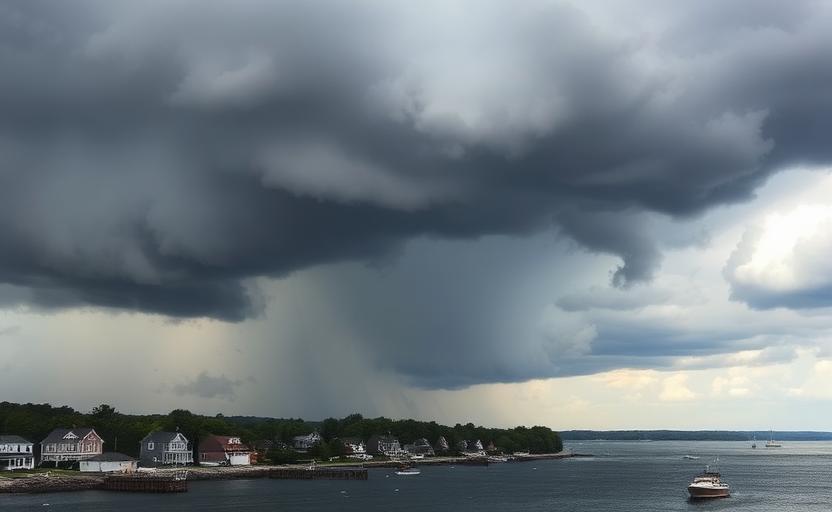
Protect your Connecticut property this hurricane season. Learn what insurance covers storm damage, flood protection, and essential preparation steps.
Connecticut Hurricane Risk: What You Need to Know
Connecticut faces significant hurricane risks from June through November, with peak season occurring August through October. Recent storms like Henri (2021) and Sandy (2012) demonstrated the state's vulnerability to tropical systems, and Isaias (2020) showed that a storm need not arrive as a hurricane to cause widespread tree damage and multi-day outages.
The insurance outcome is rarely decided on the day of the storm. It is decided months earlier, in the deductible structure, sublimits, and endorsements sitting on your declarations page.
Essential Insurance Coverage for Hurricane Protection
Homeowners Insurance and Wind Damage
Standard homeowners insurance in Connecticut covers wind damage from hurricanes, including:
- Roof damage from high winds
- Siding and exterior damage
- Broken windows and doors
- Interior damage from wind-driven rain
Wind-driven rain is where owners most often misread the policy. Interior water damage is generally covered when wind first opens the building envelope and rain then enters through it. Rain entering an intact building through worn flashing or a failed seal is usually treated as maintenance.
Understanding Your Windstorm and Named-Storm Deductible
Most Connecticut homeowners carry a flat dollar deductible for ordinary losses but a separate percentage deductible for hurricanes or named storms, and Connecticut regulates precisely when that percentage deductible may be triggered. See our full breakdown of the 74 mph trigger, the warning window, and the 2,600-foot shoreline rule for how the mechanics actually work and what it means in dollars on a high-value home.
Flood Insurance: A Critical Gap
Most Connecticut homeowners don't realize that standard policies don't cover flood damage. With coastal areas and river valleys at high risk, flood insurance is essential for:
- Coastal communities (Stamford, Norwalk, New London)
- River valley towns (Hartford, Middletown)
- Low-lying areas throughout the state
Timing matters. National Flood Insurance Program policies generally carry a thirty-day waiting period, with narrow exceptions such as purchases tied to a mortgage closing, so buying once a storm is forecast is not an option. NFIP limits are also capped well below replacement cost for many Connecticut properties, and excess flood coverage through the private market is the usual remedy. Need flood insurance? Learn more about Connecticut flood insurance coverage.
Wind Versus Flood: The Causation Split That Drives Disputes
In a hurricane, wind and water arrive together but are almost always insured by two different carriers under two different contracts. The homeowners policy responds to wind; the flood policy responds to rising water, storm surge, and surface water. When a shoreline property is damaged by both, each carrier has an interest in attributing the damage to the other peril.
Anti-concurrent causation language in most homeowners forms sharpens this: where an excluded cause such as flood contributes to a loss, the resulting damage is generally excluded even if wind also contributed. Carry flood coverage even outside a mandatory zone so both halves of the loss have a home, and keep both policies with an advisor who sees the whole program.
Loss of Use When Your Home Is Uninhabitable
Coverage D, usually labeled loss of use or additional living expense, pays the necessary increase in your cost of living when a covered loss makes the residence uninhabitable: hotel or rental housing, higher meal costs, pet boarding, storage. It is measured as the amount above normal household spending, not the gross cost.
Two features disappoint owners. Loss of use follows a covered peril, so a home made uninhabitable by flood with no flood policy generally produces no recovery here. And civil authority provisions paying living expenses during an evacuation order are commonly capped at a short period and generally require damage from a covered peril nearby, so a precautionary evacuation ahead of a storm that causes no damage often produces nothing. Confirm your limit and any time cap when you review your Connecticut homeowners insurance coverage.
The Sublimits That Surprise People
- Tree and debris removal. Payable generally only when the tree damages a covered structure or blocks a driveway or accessible ramp, and subject to a modest sublimit rather than your dwelling limit. Caps near five hundred dollars per tree, with a per-loss maximum often around one thousand, are common. A tree that falls on open lawn damaging nothing is typically not covered.
- Food spoilage. Standard forms usually do not cover refrigerated food lost to an outage, particularly one originating off premises. A refrigerated property endorsement is widely available.
- Power outage consequences. Extended outages stop sump pumps, and restoration surges damage electronics and HVAC equipment. Water backup and sump overflow coverage, and residential equipment breakdown coverage, are separate endorsements.
- Service lines. The underground water, sewer, electrical, and communication lines from the street to your home are your responsibility but generally excluded. Uprooted trees are a leading cause of failure, and excavation dominates the cost.
Business Hurricane Preparedness
Connecticut businesses need comprehensive coverage including:
- Commercial property insurance for building damage
- Business interruption coverage for lost income
- Equipment breakdown coverage
- Data recovery protection
Ready to Secure Your Coverage?
Get personalized insurance recommendations from our expert agents. Schedule your consultation today.
📅 Schedule a ConsultationBusiness interruption most often determines whether a company survives a major storm and is the most commonly mis-structured. The limit and indemnity period should reflect a realistic restoration timeline, including permitting and contractor availability after a regional event. Ask about contingent business interruption if one supplier or customer drives a large share of revenue, and about extended period of indemnity. Civil authority and service interruption extensions matter specifically here, since Connecticut losses more often originate at the utility than at the building. Protect your business with comprehensive commercial insurance.
Pre-Season Preparation Checklist
- Review your insurance policies with your agent
- Document your property with photos and video
- Secure important documents in waterproof storage
- Trim trees near your home
- Install storm shutters or plywood
- Create an emergency contact list
- Confirm flood coverage is in force early enough to clear the waiting period
- Verify your dwelling limit reflects current Connecticut construction costs
- Check for ordinance or law coverage, which pays the added cost of rebuilding to current code
Documenting Your Property Before the Storm
Pre-loss documentation is the largest variable you control in a disputed claim. Record continuous video of every room, opening closets and cabinets as you narrate, and photograph the roof, siding, foundation, and grounds so pre-existing condition cannot be disputed later. For art, jewelry, wine, and collectibles, keep current appraisals and confirm the items are scheduled rather than relying on unscheduled personal property limits, which carry low per-item caps. Store it all in the cloud with your declarations pages and carrier claim numbers.
The First 72 Hours After Damage
- Safety first. Do not enter standing water near electrical service, and treat downed lines as live.
- Document before you touch anything. Photograph and video damage in place, including water lines on walls, before removing debris. Discarded material cannot be inspected.
- Report promptly. Notify each carrier separately, including your flood carrier. Prompt notice is a policy condition, and adjuster capacity after a regional event is allocated in order of receipt.
- Make reasonable temporary repairs. Policies obligate you to prevent further damage. Tarp the roof, board openings, keep receipts, and photograph the work, as these costs are generally reimbursable.
- Hold off on permanent repairs until inspection, and do not sign broad assignment of benefits agreements offered door to door after a storm.
- Keep a claim log, retain damaged property for inspection where safe, and track additional living expenses with receipts from day one.
Don't wait until hurricane season peaks. Contact New England Insurance today for a comprehensive review of your hurricane protection coverage.
Start Your Coverage Review
Share your risk picture and a licensed advisor will design coverage tailored to your specific needs.