How Much Is Homeowners Insurance in Connecticut in 2026? Costs, Rate Trends, and What Drives Your Premium
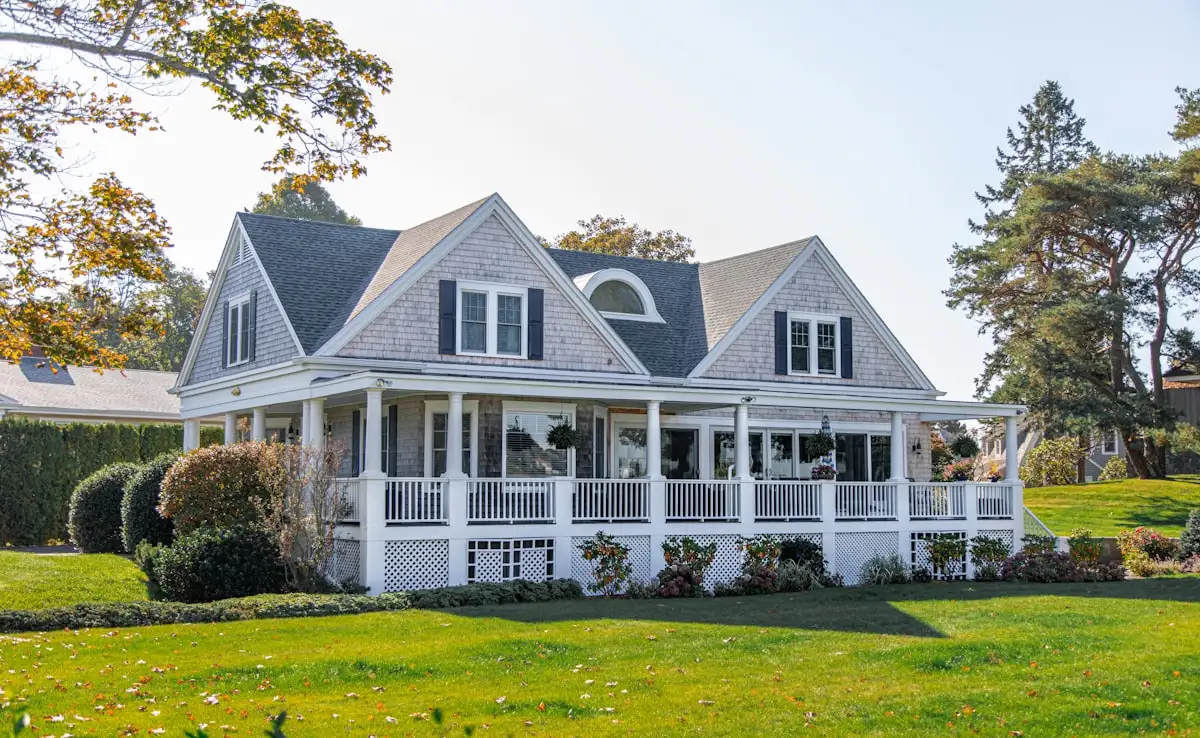
What Connecticut homeowners are paying in 2026, how much the Insurance Department has let rates rise since 2022, the October 2026 rate decreases, and the factors that actually move your premium.
Short answer: Most published estimates put the average Connecticut homeowners premium in the low-$2,000s per year for 2026, but the range is wide. A shoreline colonial with a 15-year-old roof can pay several times what an inland ranch pays. Approved statewide rate increases averaged 8.7% in 2025 after 13.5% in 2024, and in October 2026 the Connecticut Insurance Department highlighted 19 homeowners filings that include decreases for some policyholders.
What does the average Connecticut homeowner pay?
There is no single official "average premium" for 2026 yet, and the consumer websites that publish one use different sample homes, so their numbers disagree. Insurify, for example, projects an average of roughly $2,250 a year for 2026, about 2% above 2025. Treat any average as a weather report, not a quote: your number depends on the replacement cost of your home, its location, its roof, its claims history and the deductibles you choose.
What is official is the trend. The Connecticut Insurance Department (CID) publishes an annual review of property and casualty rate filings. According to those reviews, the average homeowners rate increase the department allowed was about 5.1% in 2022, 9.6% in 2023, 13.5% in 2024 and 8.7% in 2025. In 2025 insurers had requested an average of 9.1%. Compounded, a policy that cost $2,000 in 2021 would cost roughly $2,800 today from rate changes alone, before any increase in the home's insured value.
Are Connecticut home insurance rates finally going down?
For some households, yes. On 16 October 2026 the CID announced that it had identified 19 homeowners insurance filings from 16 companies that include rate decreases for certain policyholders. Liberty Mutual and its affiliates were reported to be reducing rates by about 5% on more than 30,000 Connecticut homeowners policies, and Nationwide, Merrimack and Utica were also named among the companies filing decreases. The department was careful to say that changes vary by insurer, coverage and rating factors, so a statewide decrease does not mean every bill goes down.
Connecticut Home Insurance Basics
Read our guide to coverage for your Connecticut property.
Read the Guide →Two other forces keep pushing premiums up even when rates hold flat: insurers raise the dwelling limit each year to track construction costs, and a higher limit means a higher premium. If your renewal went up while your carrier's filed rate did not, inflation guard on the dwelling limit is usually the reason.
What drives homeowners premiums in Connecticut specifically?
- Distance to the coast. Connecticut lets insurers apply a separate hurricane deductible in coastal areas, and wind exposure along Long Island Sound is priced into towns like Fairfield, Milford and Stonington. See our guide to the Connecticut hurricane deductible.
- Replacement cost. Older Connecticut housing stock, plaster walls, slate roofs and custom millwork all cost more to rebuild than the market value suggests.
- Roof age and material. Many carriers now price or underwrite heavily on roof age; some move older roofs to actual-cash-value settlement.
- Trees and winter. Falling trees, ice dams and frozen pipes drive a large share of Connecticut claims, which is why water damage and wind losses dominate pricing inland as well as on the shore.
- Heating systems. Oil tanks, wood stoves and older electrical service can raise premiums or limit carrier choices.
- Your own claims and insurance score. Connecticut permits insurers to use credit-based insurance scores within limits, and recent claims, including water claims, affect pricing for several years.
How do I know if I'm paying too much?
Comparing premiums without comparing coverage is how households end up underinsured. Before you shop, pull your declarations page and note the dwelling limit (Coverage A), the all-perils deductible, the hurricane or wind deductible, whether water backup is included, and whether the dwelling is settled at replacement cost or actual cash value. Then compare like with like. Our guide on how to lower your homeowners premium in Connecticut walks through the levers that work without gutting the policy.
Ready to Secure Your Coverage?
Get personalized insurance recommendations from our expert agents. Schedule your consultation today.
📅 Schedule a ConsultationAn independent agency can put the same coverage specification in front of several carriers, which is the only reliable way to tell whether a price is high for your house or simply high for the market. New England Insurance, an independent agency in Bridgeport serving Connecticut since 2012, does this as a review with a licensed advisor rather than an instant online quote. Request a review with your declarations page in hand, or read more about Connecticut home insurance.
Start Your Coverage Review
Share your risk picture and a licensed advisor will design coverage tailored to your specific needs.