Marina and Boatyard Insurance in Connecticut: Customers' Boats, Storms, Fuel Docks, and Workers
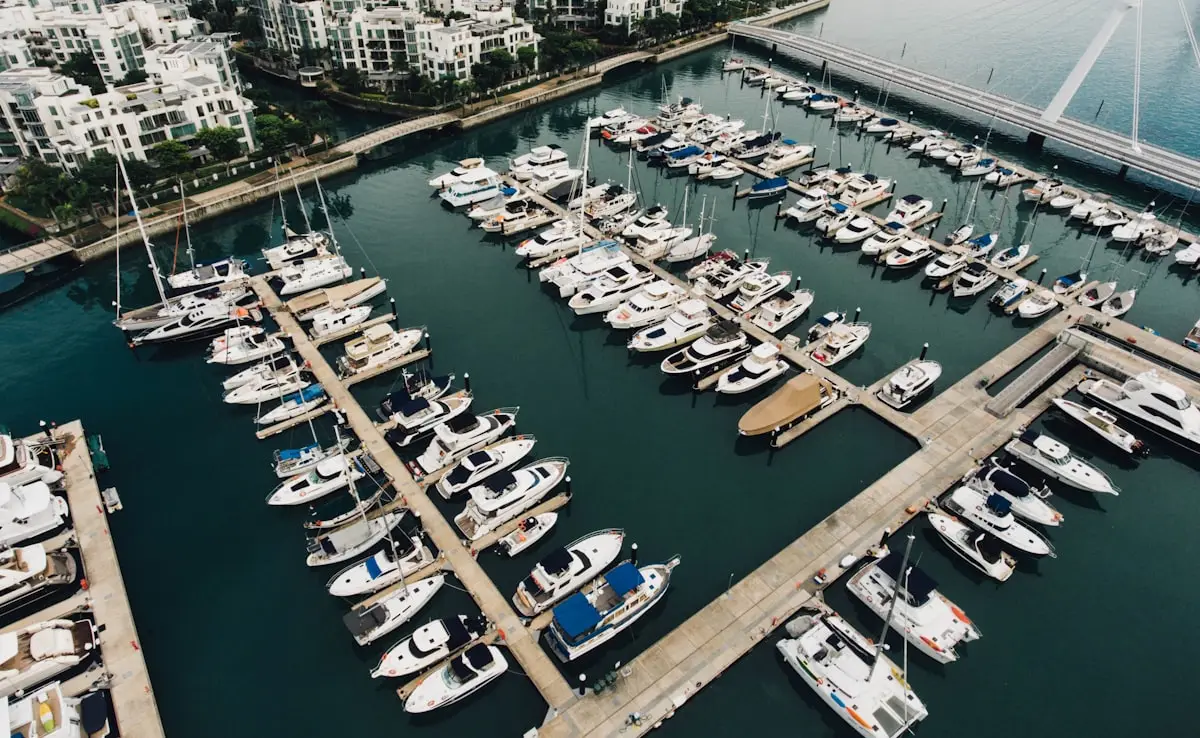
Connecticut marinas hold millions of dollars of customers' boats on the hard and in the water. The marina operator's liability, property, pollution and workers' compensation issues specific to the Sound.
Short answer: A Connecticut marina or boatyard needs marina operator's legal liability for customers' boats in its care, custody and control; property coverage for docks, travel lifts, buildings and equipment, with flood and named-storm terms negotiated carefully; pollution coverage for fuel docks and yard operations; and workers' compensation that addresses federal Longshore and Harbor Workers' Act exposure where it applies. Storm preparation and haul-out contracts drive most claims outcomes.
Marina operator's legal liability
The largest exposure is damage to customers' boats while stored, hauled, launched, moved or repaired. Marina operator's liability (sometimes called ship repairer's or wharfinger's liability) responds when the marina is legally liable, for example a travel-lift drop, a fire in winter storage or negligent blocking before a hurricane. Customers' own hull policies respond first in many losses, then their insurers pursue the marina, so contract terms and documentation matter.
Property and storms
- Docks, piers and bulkheads need specific coverage; standard property forms and the NFIP exclude many waterfront structures. See docks and seawalls.
- Travel lifts, forklifts and yard equipment belong on inland marine schedules.
- Named-storm and flood deductibles for marinas on the Sound are significant; know them before hurricane season.
- Business interruption for slip and storage revenue lost after a storm.
Pollution and fuel
Fuel docks, bottom-painting, engine work and stored hazardous materials create pollution exposure that general liability usually excludes. Marina pollution coverage, including cleanup, is essential and is often required by regulators and lenders.
Workers and the Longshore Act
Connecticut workers' compensation is required for employees, but some marine work also falls under the federal Longshore and Harbor Workers' Compensation Act. The Act excludes many marina employees who are not engaged in construction, replacement or expansion of the marina, and excludes certain work on recreational vessels under 65 feet, but yard work on larger vessels or marina construction can trigger it. An uninsured USL&H exposure can be costly; have your classifications reviewed.
Contracts and operations
- Storage and slip agreements should require customers to carry hull and liability insurance, define haul-out obligations before storms, and include enforceable limitation and release terms reviewed by counsel.
- Collect certificates from independent contractors working in the yard.
- Document hurricane plans, blocking and strapping standards, and winter fire watch.
- Fuel sales, boat rentals, clubs and restaurants on site each add exposures to address.
New England Insurance, an independent Connecticut agency in Bridgeport since 2012, works with marine specialty carriers for marinas, boatyards and yacht clubs on Long Island Sound. See boat and yacht insurance or contact us.
Start Your Coverage Review
Share your risk picture and a licensed advisor will design coverage tailored to your specific needs.