Elevating a Shoreline Home in Connecticut: What It Does to Your Flood and Homeowners Insurance
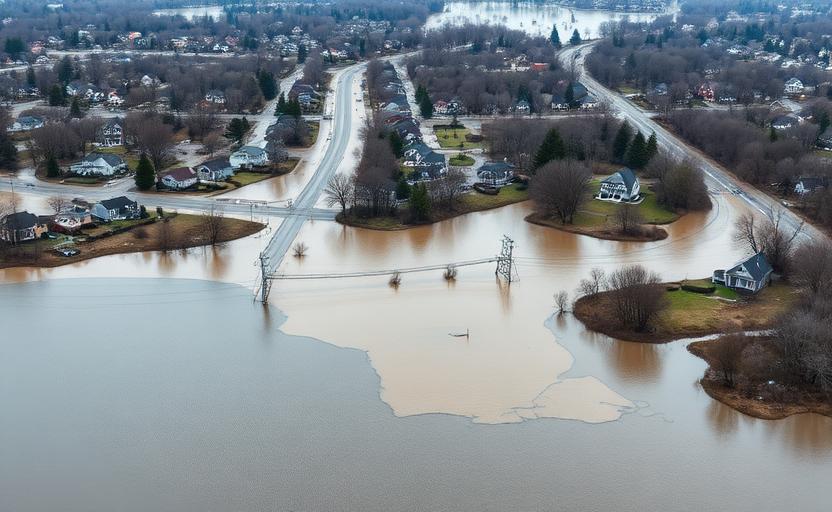
Raising a coastal home can lower NFIP and private flood premiums, but the project itself creates insurance gaps. What Connecticut shoreline owners should know before, during and after elevation.
Short answer: Elevating a home so its first floor sits well above the base flood elevation usually lowers flood premiums. FEMA's current NFIP rating considers first-floor height, and an elevation certificate can document it. During the project the house is jacked up, vacant and under construction, so the homeowners policy must be endorsed or replaced with builder's risk. Afterwards, the enclosure below the elevated floor has very limited flood coverage, and replacement cost generally rises.
How elevation affects flood premiums
Under FEMA's Risk Rating 2.0 methodology, NFIP premiums consider the height of the first floor above grade among other factors. An elevation certificate is not always required, but owners may submit one to document a favorable elevation, and it can lower the premium. Private flood carriers price elevation heavily as well, and a well-elevated home often opens up private options with higher limits than the NFIP's $250,000 building cap. See our flood zones and NFIP guide.
Funding help after a flood
If a building insured under the NFIP is declared substantially damaged by a flood, Increased Cost of Compliance coverage can pay up to $30,000 toward bringing it into compliance with floodplain rules, including elevation. FEMA hazard mitigation grants have also funded elevations through municipalities; availability changes, so check with your town's floodplain manager.
During the project
- Tell your homeowners insurer before the house is lifted. A home on cribbing is a construction site.
- Expect to need builder's risk or a renovation endorsement; see builder's risk for custom homes.
- Confirm the house-moving contractor carries liability, workers' compensation and cargo or rigging coverage.
- Plan for hurricane season: a partially elevated home is highly vulnerable. Many contractors avoid lifting from August to October.
- Coordinate with flood coverage; some flood policies have limits on buildings under construction.
After elevation
- Update replacement cost: new foundations, stairs, elevators and utilities raise the dwelling limit.
- Below-floor enclosures: NFIP coverage for finished space, contents and equipment below the lowest elevated floor is very limited. Keep it to parking, access and storage.
- Breakaway walls and flood vents must meet code to preserve favorable rating.
- New elevation certificate once the work is complete.
- Wind: a taller house has different wind exposure; ask about roof-to-foundation connections and the hurricane deductible.
Elevation is common in shoreline towns such as Fairfield, Milford, Westport, Old Saybrook and Madison. New England Insurance, an independent Connecticut agency in Bridgeport since 2012, coordinates flood, homeowners and builder's risk through an elevation. See coastal property insurance or request a review.
Start Your Coverage Review
Share your risk picture and a licensed advisor will design coverage tailored to your specific needs.