Connecticut Winter Weather Insurance: Snow, Ice, and Storm Claims Guide
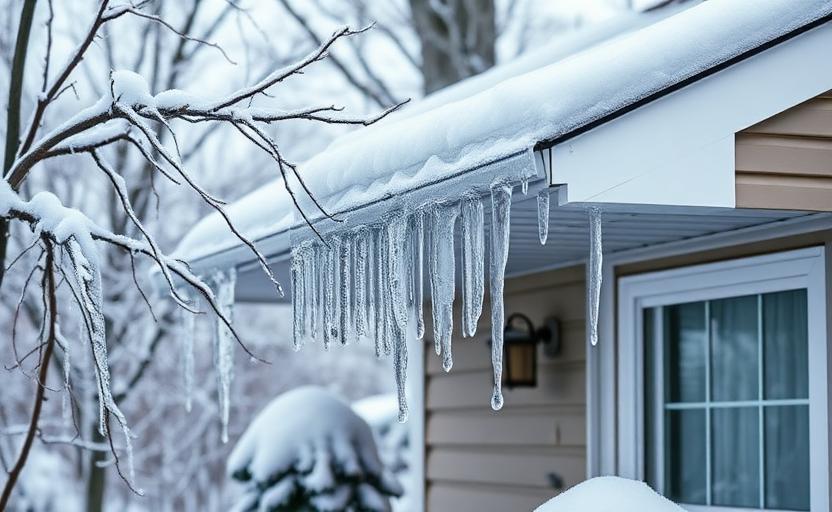
Winter weather can cause significant property damage. Learn what your Connecticut insurance covers for snow, ice, and winter storms.
Connecticut Winter Weather Risks
Connecticut winters bring unique challenges that can impact your property and insurance claims. Understanding your coverage helps you prepare for:
- Heavy snowfall and roof collapses
- Ice dams and water damage
- Frozen pipe bursts
- Tree damage from ice storms
- Power outages and spoiled food
Winter damage develops over weeks through repeated freezing and thawing, and that gradual quality gives carriers grounds to question coverage. Most denied winter claims in Connecticut turn on three questions: was the damage sudden or gradual, did the owner meet a policy condition such as maintaining heat, and did water reach the building from above or from the ground.
What's Covered by Connecticut Homeowners Insurance
Snow and Ice Damage
Your Connecticut homeowners policy typically covers:
- Roof collapse from snow load (if sudden and accidental)
- Ice dam damage to gutters and roofing
- Tree damage from ice storms
- Broken pipes from freezing (if you maintained heat)
Each parenthetical is doing real work: those are the conditions on which coverage actually turns. Review your Connecticut homeowners insurance coverage to understand your winter protection.
Ice Dams and the Freeze-Thaw Mechanism
Heat escaping the living space warms the roof deck and melts the snow on it; the meltwater runs to the eaves, which overhang unheated space and stay at ambient temperature, and refreezes. Each cycle builds the ridge until it holds standing water behind it. That water backs up under shingles, which shed water flowing downhill but do not resist water sitting in place, and enters the deck, wall cavities, and ceilings.
Ice dam damage therefore usually surfaces as interior water damage found well after the freeze that caused it, and most policies cover that interior damage. What carriers generally will not pay for is the underlying condition: inadequate attic insulation, air sealing failures, or blocked soffit ventilation. The cause is thermal rather than meteorological, and so is the fix. Air seal penetrations between living space and attic, insulate to current standards, keep soffit-to-ridge ventilation clear, and clear gutters before winter.
Frozen Pipes and the Condition That Gets Claims Denied
Standard forms exclude loss caused by freezing of a plumbing, heating, air conditioning, or automatic fire sprinkler system, or of a household appliance, unless the insured used reasonable care either to maintain heat in the building or to shut off the water supply and drain the systems. The exclusion is written to attach specifically where the dwelling is vacant, unoccupied, or under construction, and the burden of showing reasonable care falls on the owner.
For families who travel in winter or hold a second property, this is the paragraph that matters. If a home will be unoccupied in cold weather, either keep the heat on and set high enough to protect the plumbing, or shut water off at the main and drain the system; half measures create disputes. Safeguards that also evidence reasonable care include a low-temperature alarm, leak detection with automatic shutoff, and a documented schedule for someone to check the property.
Roof Collapse Versus Gradual Sagging
Policies insure damage caused by the weight of ice, snow, or sleet, and a roof that fails under snow load is generally a covered loss. The complication is the definition of collapse. Most forms define it narrowly as an abrupt falling down or caving in such that the building can no longer be occupied, then state that a building showing settling, cracking, bulging, sagging, or expansion is not in a state of collapse.
That leaves a real gap. A roof that visibly deflects, with cracked ceilings and doors that no longer close square, may not meet the definition even though it plainly needs structural repair, and carriers may argue the deflection reflects a pre-existing deficiency rather than one storm. Wet snow is far heavier than dry, so risk follows density rather than depth. Clear low-slope roofs, porches, and additions with a roof rake from the ground.
Water Damage Versus Flood: Where Melting Snow Goes Wrong
Water entering from above, through an ice dam or a burst pipe, is generally covered water damage. Water reaching the building at or below grade, such as a rapid thaw plus rain producing surface water that flows across frozen ground and enters through a foundation wall or window well, is generally excluded as flood. The same melted snow is covered or excluded depending on its path.
The exclusion applies whether or not you sit in a mapped flood zone, and frozen ground makes the scenario likelier in late winter. The remedies are separate purchases. A flood policy generally takes effect only after a thirty-day waiting period, so it must be in place before the thaw. Sewer backup and sump pump failure are a distinct exclusion needing their own water backup endorsement.
What's Not Covered
Common exclusions include:
- Gradual damage from repeated freeze/thaw cycles
- Frozen pipes due to negligence (no heat)
- Flood damage from snow melt
- Damage from poor maintenance
Add the smaller caps. Removal of a tree brought down by ice is payable generally only if it damages a covered structure or blocks a driveway, and is subject to a modest sublimit. Refrigerated food lost to an outage is commonly excluded without an endorsement, as are underground service lines from the street.
Slip-and-Fall Liability for Homeowners
Winter shifts a home's risk profile from property damage toward liability. A guest, delivery driver, or contractor who falls on an icy walk can generate a claim far exceeding any snow damage to the structure, and serious falls produce costs that reach past the liability limit on a typical homeowners policy.
Review that limit rather than accepting the default, and carry a personal umbrella above the homeowners and auto limits, confirming the underlying limits it requires are in place, since any gap is paid by you. A personal umbrella policy is the most cost-efficient protection here. Clear and treat walkways promptly, keep exterior lighting working, and record when clearing and salting occurred.
Connecticut Business Winter Protection
Commercial properties face additional winter risks:
- Flat roof snow accumulation
- Heating system failures
- Slip and fall liability
- Business interruption from power outages
Ready to Secure Your Coverage?
Get personalized insurance recommendations from our expert agents. Schedule your consultation today.
📅 Schedule a ConsultationFlat and low-slope roofs deserve particular attention because they do not shed snow and because ponding water that refreezes adds load exactly where drainage has failed. Set a snow load threshold and removal protocol before the season, and use contractors experienced with membrane roofs. Confirm whether your policy includes equipment breakdown coverage, which responds to boiler and HVAC failures that standard forms exclude. Ensure your business is protected with commercial property insurance.
Sidewalk Clearing Duties for Connecticut Property Owners
Connecticut law permits municipalities to adopt an ordinance shifting liability for injuries caused by snow and ice on public sidewalks from the municipality to the owner or person in possession and control of the abutting property. Where a town has adopted one, that owner assumes essentially the duty of care the municipality previously held and can be sued directly by an injured pedestrian. Many municipalities have also set clearing deadlines after snowfall ends, so confirm the ordinance where your property sits.
For commercial owners this adds exposure on the public sidewalk on top of the parking lot and entryway. Written snow removal contracts matter: specify trigger depths, response times, and de-icing standards, require the contractor to carry general liability at meaningful limits, obtain certificates naming you as an additional insured, and keep dated service logs. Those logs are often the only reliable evidence years later.
Vacant and Seasonal Property Risks
Shoreline houses closed for winter, homes on the market, and commercial buildings between tenants all carry elevated winter risk, and their policies contain provisions designed to limit it. Standard homeowners forms restrict certain coverages, notably vandalism, once a dwelling has been vacant beyond a defined period, commonly sixty consecutive days. Typical commercial property forms exclude vandalism, sprinkler leakage, glass breakage, water damage, and theft after more than sixty consecutive days of vacancy, and reduce payment on other covered causes of loss, including fire, by a stated percentage.
If you will hold a property vacant through a Connecticut winter, tell your advisor before it happens rather than after a loss. The remedies are straightforward in advance: a vacancy permit endorsement, a purpose-built vacant property form, or a restructuring of coverage. An unreported vacancy found during a claim investigation is one of the few reliable ways to turn a covered loss into an uncovered one.
Connecticut's harsh winters require proper insurance preparation. Contact us for a winter weather coverage review.
Start Your Coverage Review
Share your risk picture and a licensed advisor will design coverage tailored to your specific needs.