A Neighbor's Tree Fell on My House in Connecticut. Whose Insurance Pays?
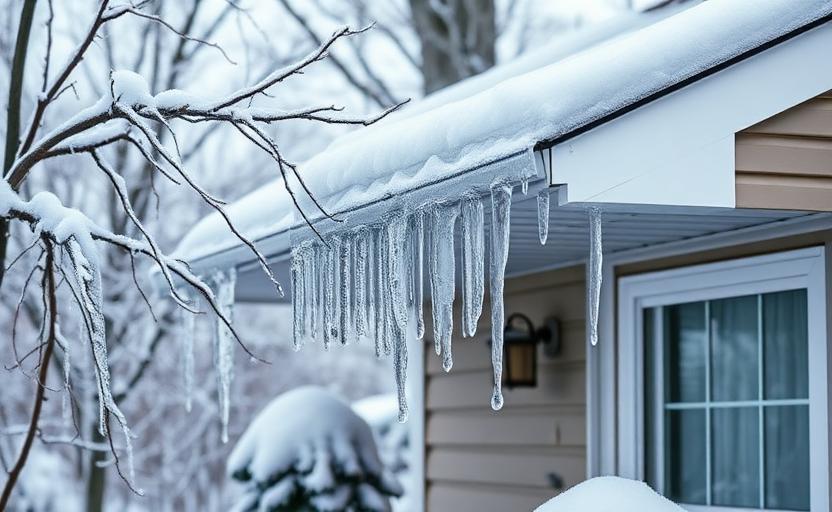
In Connecticut, your own homeowners policy usually pays when a tree falls on your house, even if it was your neighbor's tree. The exception is a tree the owner knew was dead or dangerous. How claims, tree removal limits and deductibles work.
Short answer: Usually your own homeowners insurance pays, minus your deductible, even when the tree belonged to your neighbor. Connecticut courts have generally treated a healthy tree falling in a storm as a natural event, not the owner's negligence. The exception is a tree the owner knew, or should have known, was dead, diseased or dangerous and did nothing about. Then you, or your insurer, may recover from the neighbor.
Why your own policy pays first
A homeowners policy covers sudden physical damage to your house from a falling object, regardless of whose tree it was. Connecticut law on falling trees is mostly case law rather than statute. The state's Office of Legislative Research found that Connecticut Superior Court decisions have generally held there is no liability between private neighbors for damage from natural conditions on land, and no appellate ruling squarely addresses it. Lawmakers have debated bills to shift more responsibility onto the owners of trees an arborist has flagged as hazardous; check the current status before relying on any change.
When the neighbor is responsible
If the tree was visibly dead, hollow, leaning badly or had dropped large limbs, and especially if you warned the neighbor in writing, the neighbor may be negligent. In that case, your insurer pays your claim and then pursues the neighbor's liability coverage to recover what it paid, including your deductible. Keep photos of the tree before and after, copies of any letters or emails, and any arborist report.
What a typical Connecticut homeowners policy pays for trees
- Damage to your house, garage or other structures from a falling tree: covered, subject to your deductible.
- Removing the tree from your house: generally covered as part of the claim.
- Removing a tree that fell in the yard and hit nothing: many policies pay only limited debris removal, often around $500 per tree and $1,000 per event, and only for certain causes such as windstorm or the weight of ice and snow, or when the tree blocks a driveway or a ramp. Check your form.
- Fences, sheds and detached garages: covered under other structures, usually 10% of the dwelling limit unless increased.
- Your car under the tree: that is an auto claim under comprehensive coverage, not a homeowners claim.
Watch the deductible in a named storm
If the tree came down during a hurricane, a percentage hurricane deductible may apply instead of your flat all-perils deductible. On the shoreline, that can mean thousands of dollars out of pocket. Read our explainer on the Connecticut hurricane deductible.
What about my tree falling on my neighbor's house?
Same rule in reverse: their insurer usually pays. You are typically liable only if you were negligent about a tree you knew was hazardous. If a neighbor has warned you about a tree, take it seriously, get an arborist's opinion, and keep the report. Your homeowners liability coverage, and an umbrella, respond if you are found negligent.
After a tree comes down
- Get people out if the structure is compromised, and stay away from wires; call the utility.
- Photograph everything before removal, then take reasonable steps to prevent more damage, such as tarping. Save receipts.
- Report the claim promptly to your own insurer, regardless of who owned the tree.
- Send the neighbor a short written notice if you believe the tree was hazardous.
New England Insurance has handled Connecticut storm claims since 2012. If you want your tree, wind and hurricane deductibles reviewed before the next nor'easter, request a review or read about home insurance in Connecticut.
Start Your Coverage Review
Share your risk picture and a licensed advisor will design coverage tailored to your specific needs.