Moving from New York City to Fairfield County: What Changes in Your Insurance
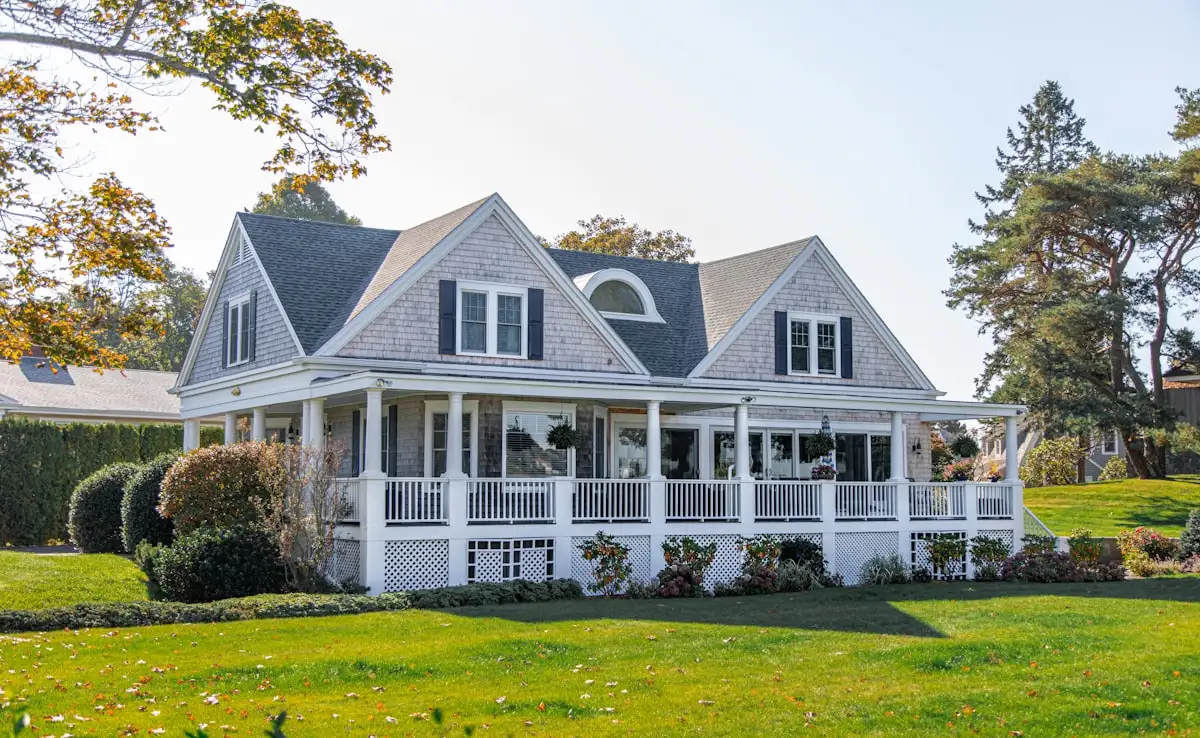
Going from a Manhattan co-op to a Greenwich, Darien or Westport house changes almost every policy you own. The insurance checklist for New Yorkers moving to Connecticut.
Short answer: Almost everything changes. You move from an HO-6 co-op policy to insuring a whole house with trees, roofs, wells or septic, oil heat and possibly flood exposure; from New York's no-fault auto system to Connecticut's at-fault system; and from minimal liability exposure to a property with pools, guests and household staff. Plan the switch before closing so the new home, the cars and the umbrella are all in force on day one.
The house
- Replacement cost, not purchase price. Fairfield County prices include land; your dwelling limit should reflect the cost to rebuild, which for custom homes is often higher than expected. See high-value home insurance.
- Flood and wind. Shoreline and riverfront homes in Greenwich, Darien, Westport and Fairfield may be in flood zones or within the hurricane deductible area. Check before you sign; see flood zones and the hurricane deductible.
- Trees, ice and power outages. Ask about water backup coverage, generators and tree removal limits.
- Oil tanks, wells and septic are common outside the cities; underwriters ask about them. See oil tank leaks.
- Pyrrhotite is mainly an eastern Connecticut issue; Fairfield County buyers rarely face it.
Cars
New York requires no-fault personal injury protection; Connecticut is an at-fault state with no PIP requirement. Your Connecticut policy should carry strong liability, uninsured/underinsured motorist coverage and medical payments. The Connecticut DMV sets short deadlines for new residents to obtain a Connecticut license and register vehicles; check the current windows on the DMV site. See Connecticut's at-fault system.
Liability grows with the property
A house brings pools, docks, trampolines, dogs, contractors, nannies and parties. Connecticut also shifts sidewalk snow liability to many homeowners; see icy sidewalk liability. Revisit umbrella limits, and if you hire household help, see household staff coverage.
Keeping the city apartment?
If you keep a Manhattan pied-à-terre, the HO-6 needs to reflect that it is now a secondary residence, the umbrella must schedule both homes, and valuables need coverage at both. See insuring homes in several states.
Timeline
- Four to six weeks before closing: get the house reviewed, including flood determination and any inspection findings.
- At closing: homeowners and flood in force; lender proof of insurance delivered.
- Within the DMV window: Connecticut auto policy, registration and licenses.
- Same day as auto: umbrella updated so underlying limits match.
New England Insurance, an independent Connecticut agency in Bridgeport since 2012, works with families relocating to Fairfield County. See our new-to-Connecticut guide or request a review before closing.
Start Your Coverage Review
Share your risk picture and a licensed advisor will design coverage tailored to your specific needs.